Exhibition · The Noguchi Museum · Long Island City
No Ordinary Light: Akari at 75 at The Noguchi Museum
The Noguchi Museum in Long Island City marks 75 years of Isamu Noguchi's Akari light sculptures with an exhibition opening November 4, 2026. Akari appear alongside stone, metal and clay works, in settings from domestic interiors to monumental installations.
By NBT Editors · 2026-10-16

The Noguchi Museum in Long Island City will present No Ordinary Light: Akari at 75 from November 4, 2026 to September 5, 2027, marking three-quarters of a century since Isamu Noguchi began making his Akari light sculptures.
The story starts in 1951, when Noguchi visited Gifu and began rethinking the traditional Japanese chochin lantern. He kept the handmade, collapsible paper-and-bamboo construction but gave the lights inventively shaped shades, electric bulbs and slim modern wire bases. Over roughly three decades he made more than 200 distinct models. "Akari" is the Japanese word for light, a term that suggested to him both illumination and weightlessness. He insisted that Akari is no ordinary light, and he regarded each model as a luminous sculpture whose meaning depends on how it is shown and on its relationship to people and surroundings.
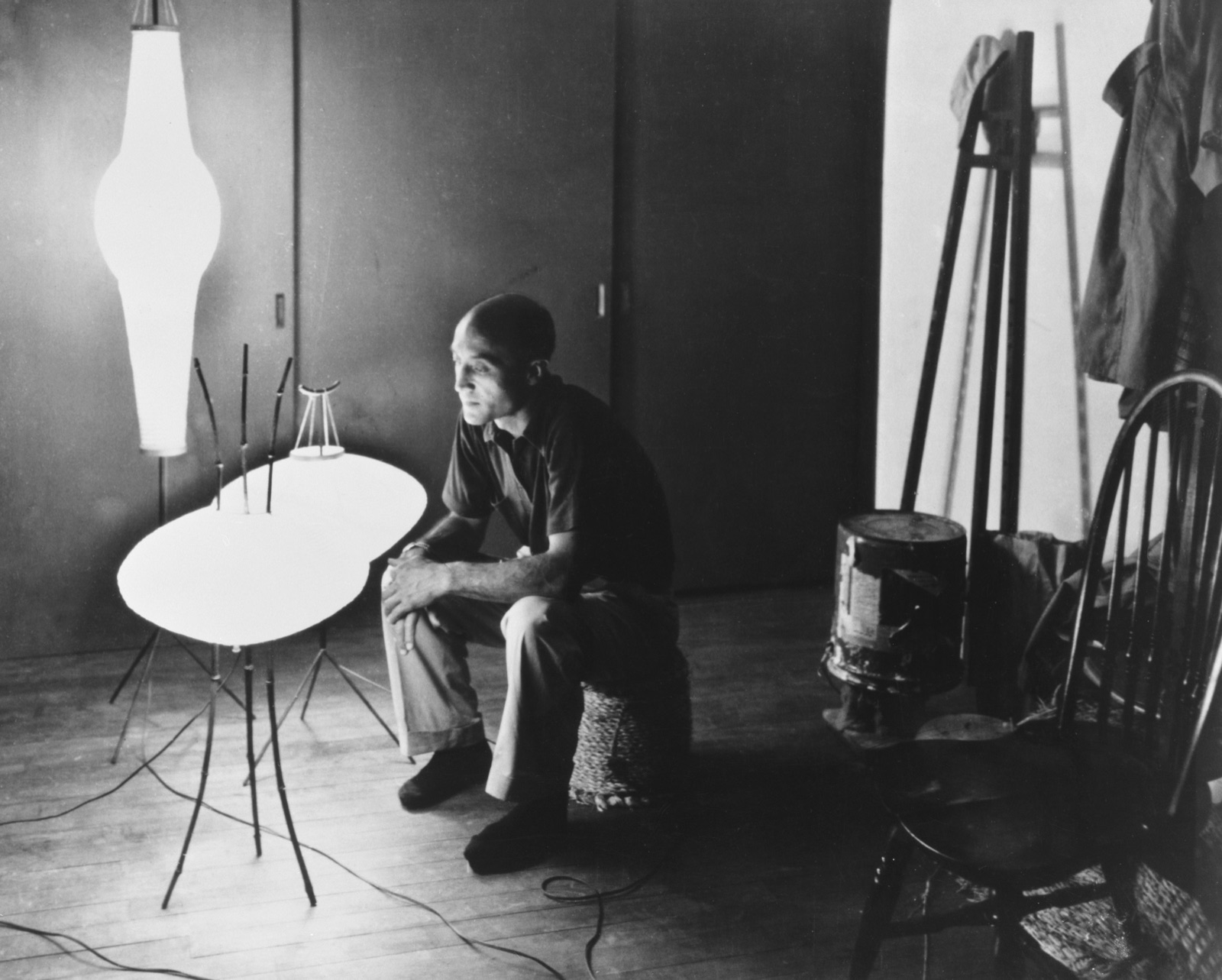
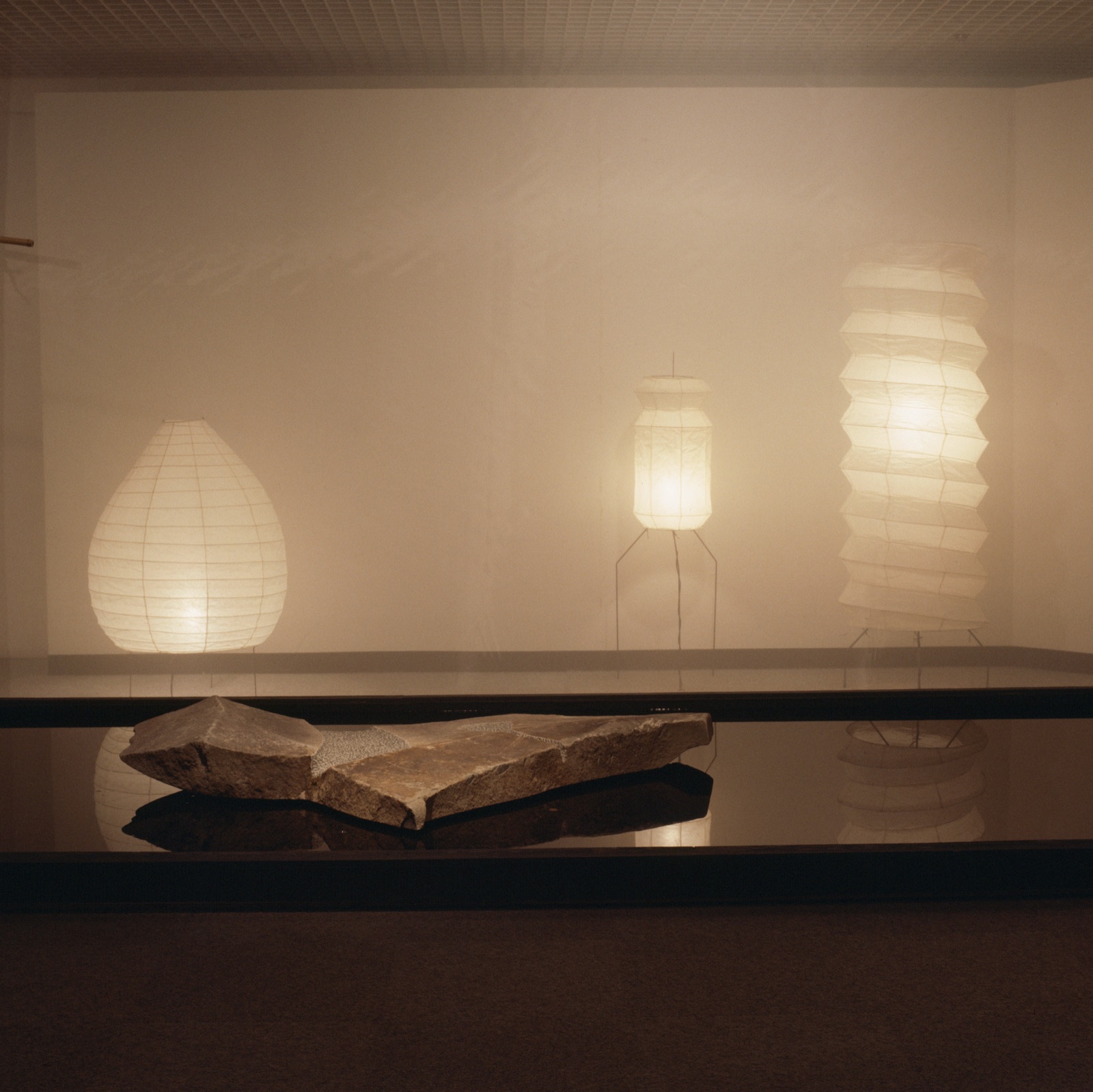
The exhibition follows the many contexts in which Noguchi presented Akari across his career. They are set in dialogue with his sculptures in stone, metal and clay, in settings that range from intimate domestic interiors to monumental installations. Several displays draw on landmark historical presentations: the 1951 debut at a tea ceremony at the Eames House in Pacific Palisades, and Noguchi's solo presentation at the 1986 Venice Biennale.
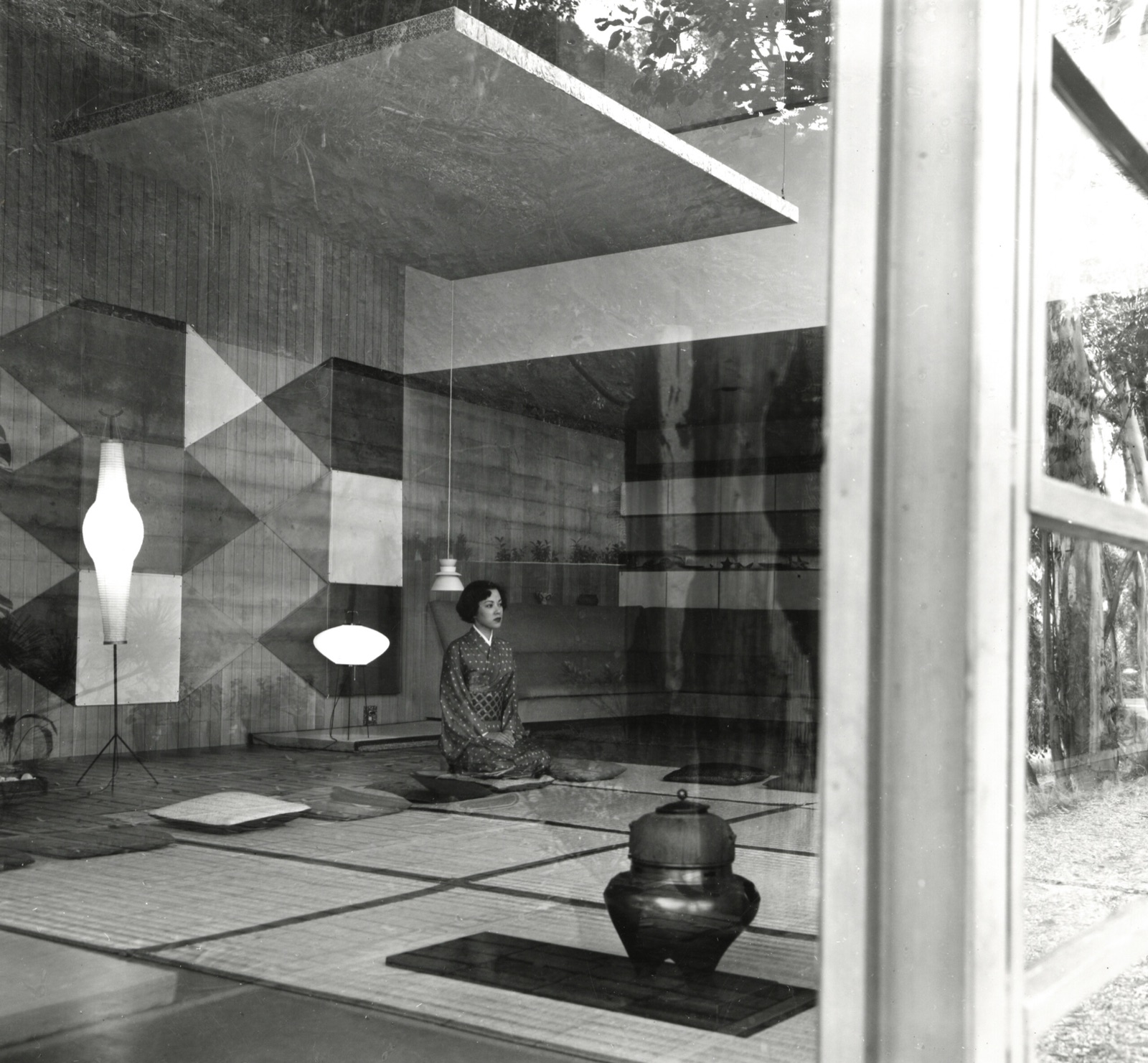
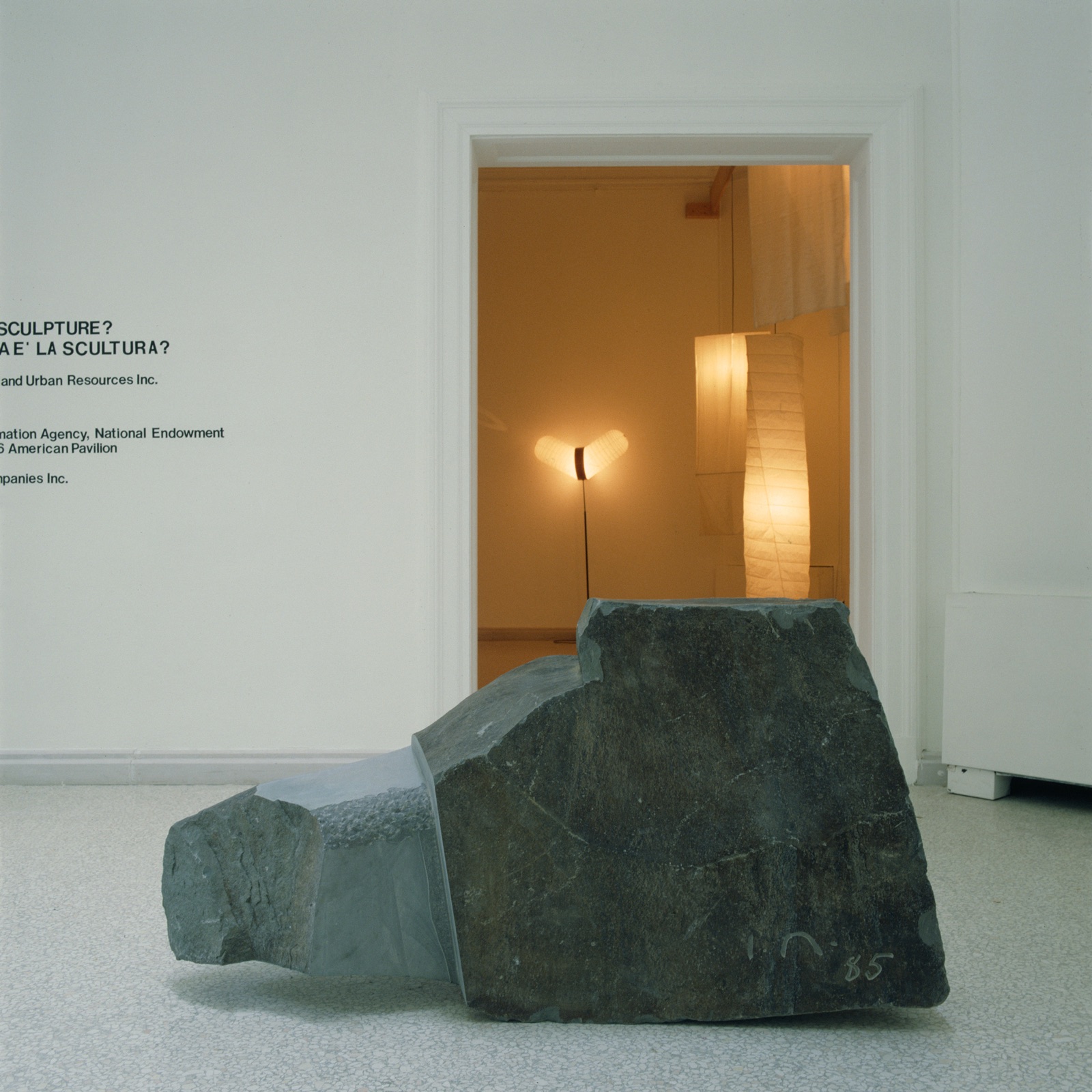
Archival photographs include Noguchi's Kita Kamakura studio in 1952, the artist working on a paper template for an Akari design, and images of him with workers at Ozeki & Co. in Japan around 1978. The 1985 installation Space of Akari & Stone, at the Yurakucho Art Forum of the Seibu Museum of Art in Tokyo, is also part of the story. Related works include Tripod Vase (1952, Kasama stoneware, iron, kintsugi), Atomic Haystack (1982-83, hot-dipped galvanized steel) and Personage I (Ningen I) (1984, andesite).
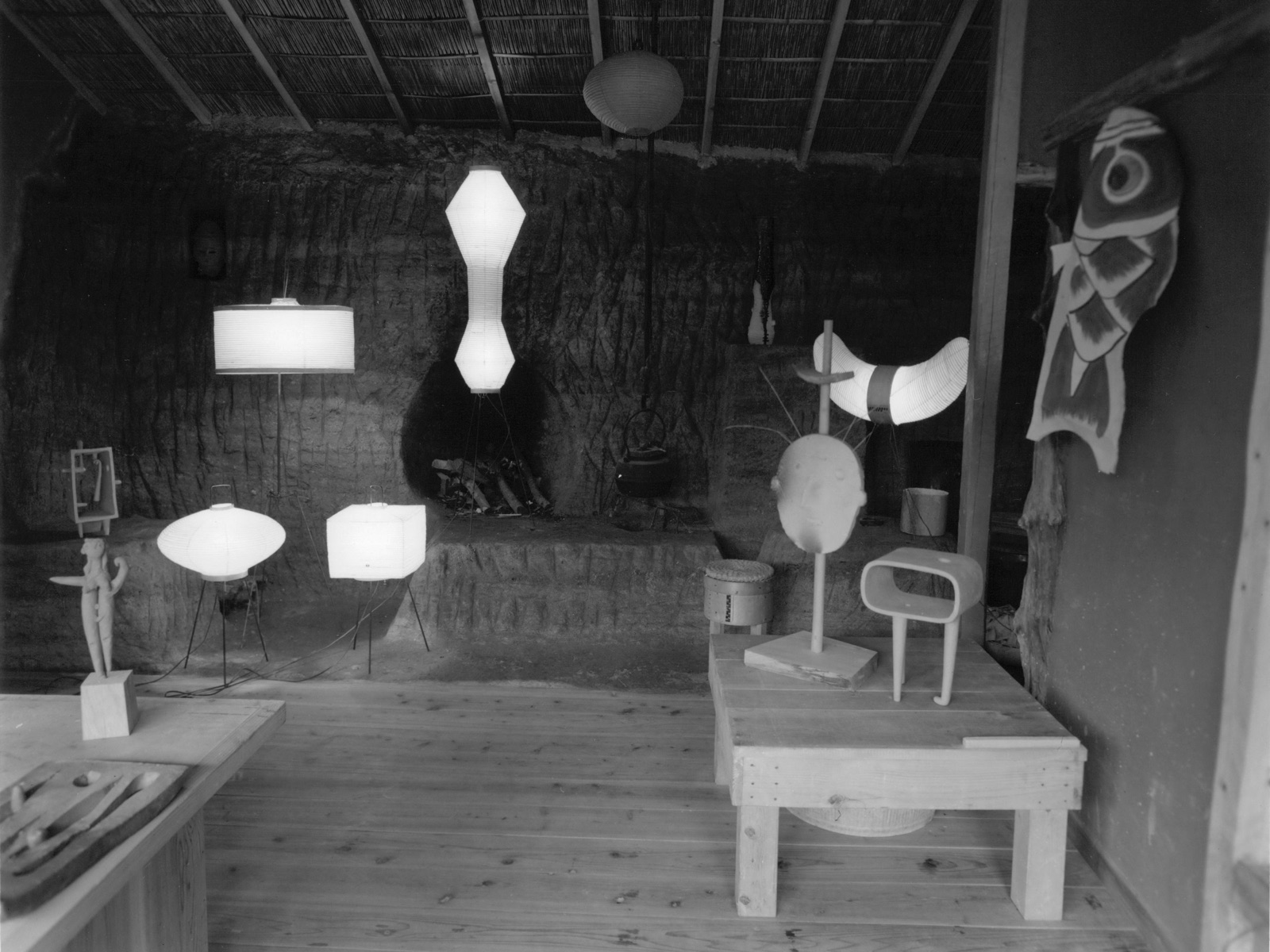
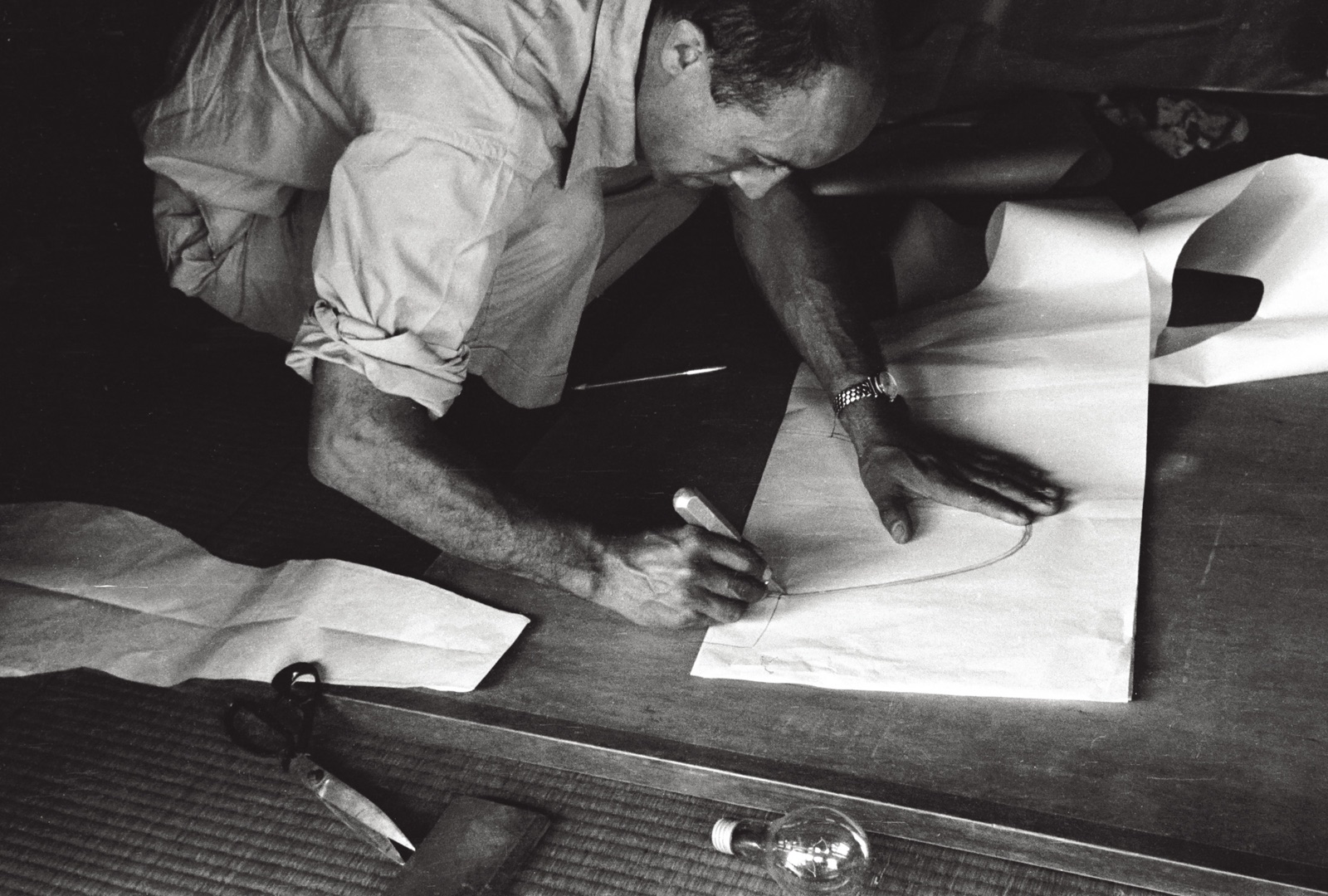
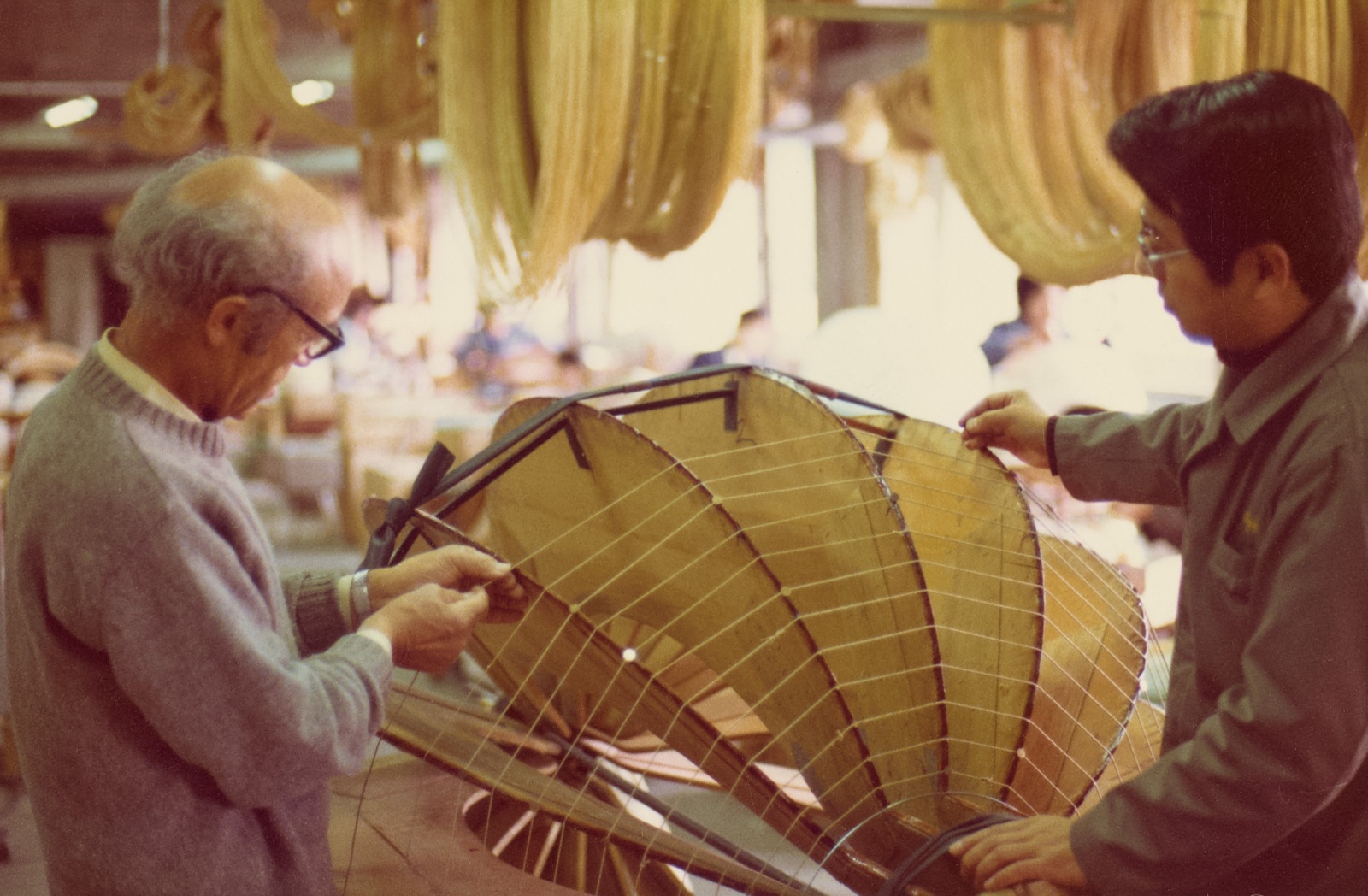
The exhibition is curated by Kate Wiener, Curator, and Matthew Kirsch, Curator and Director of Research. It shows Akari as sculptures activated by use, encounter and environment, their meaning renewed in each space they light.