Exhibition · Bortolami · Tribeca
Maki Katayama and Hikari Ono, Curated by Richard Aldrich, at Bortolami
Bortolami in Tribeca opens a two-person show of Maki Katayama and Hikari Ono on October 30, organized by Richard Aldrich. Katayama's color-system paintings drawing on Sanzo Wada and Ono's clay series Object for Painting both treat painting as a concept.
From October 30 to December 19, Bortolami presents a two-person exhibition of Maki Katayama and Hikari Ono in The Upstairs at 39 Walker Street in Tribeca. The show is organized by the painter Richard Aldrich. The two artists work in different mediums, but both treat painting as a conceptual framework rather than a set of techniques, and that shared stance anchors the exhibition.
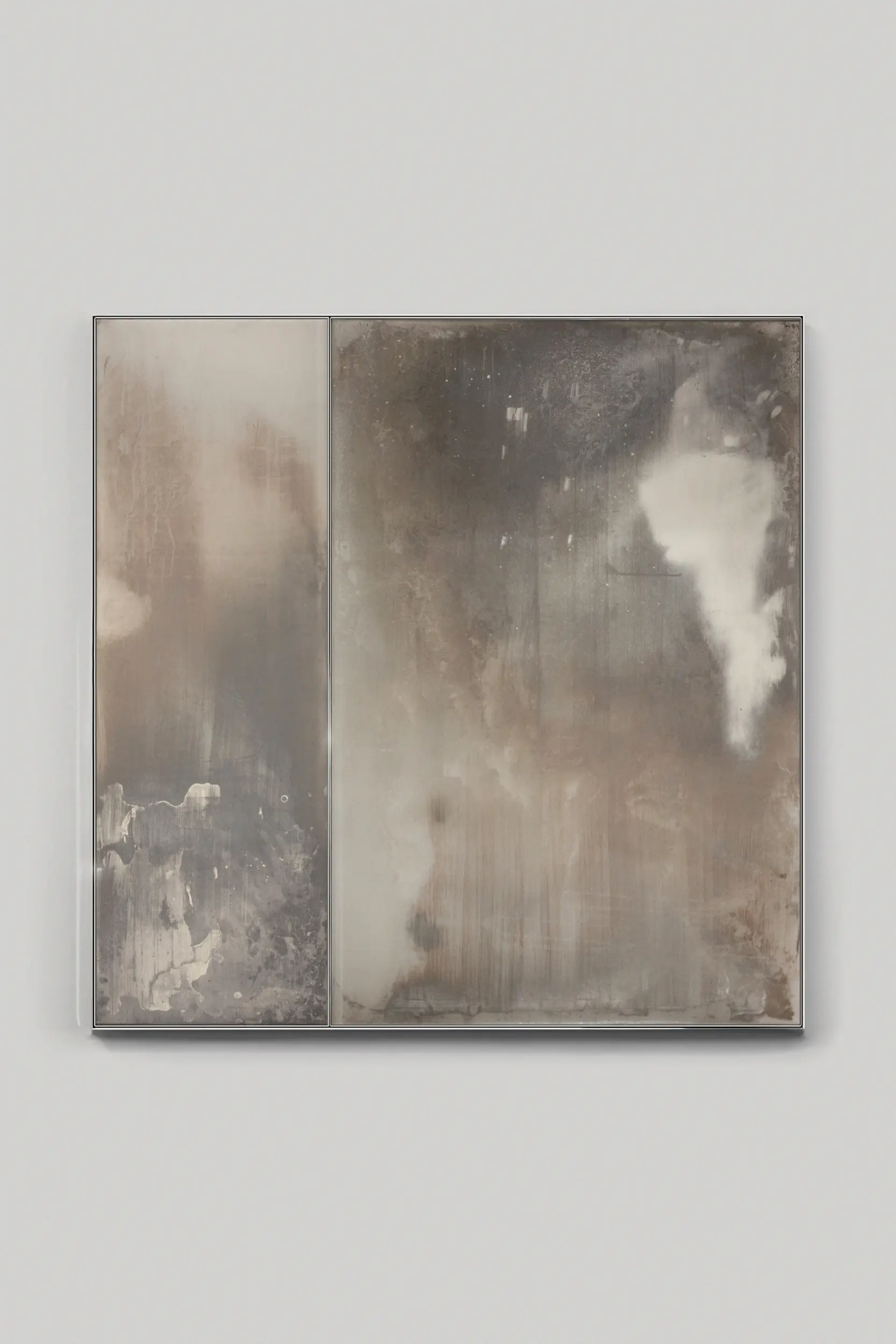
Katayama was born in Tokyo in 1982 and works there; she received a BFA in oil painting from Tama Art University in 2006. She builds her paintings from rules drawn from Sanzo Wada's 1930s A Dictionary of Color Combinations and from the standardized dimensions of Japanese canvases. These rules govern color relationships, proportions, and how individual works are arranged. She paints two related canvases and presses their wet surfaces together, which brings chance variation into a fixed structure. She mixes her paints by hand to approximate the colors in Wada's book, which sorts color through binary pairs: similar and contrasting, transparent and opaque, warm and cool.
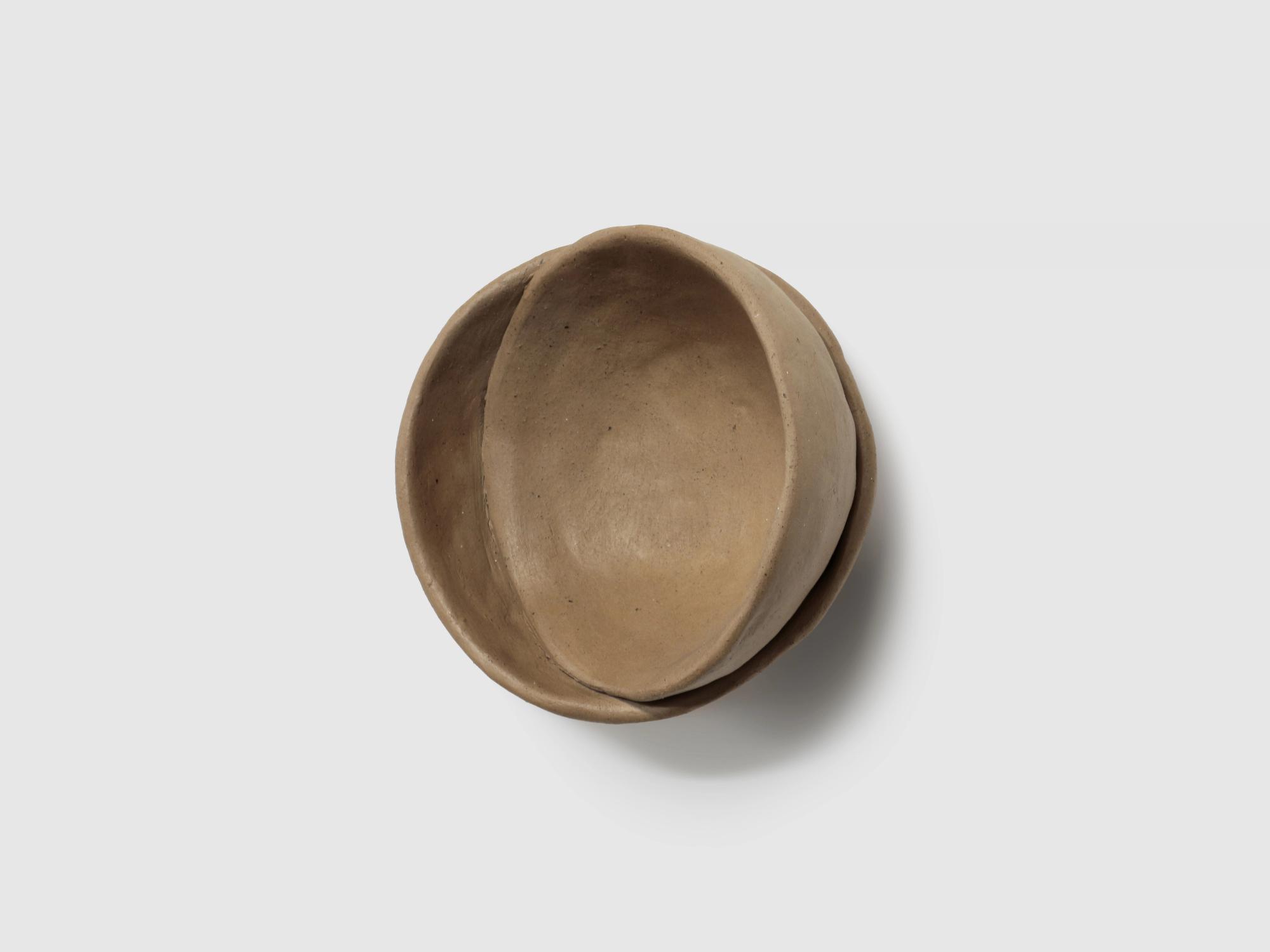
Ono was born in Lüneburg, Germany, in 1990 and is based in Tokyo; she earned a BFA in oil painting from Tama Art University in 2014. Her ongoing series Object for Painting uses raw clay gathered from different regions of Japan as both paint and canvas. She slices, grooves, folds, and removes material, then lets the pieces air-dry and finishes them with varnish, so the surfaces read as painterly while the raw material stays present. One example, Object for Painting No. 216 (2026), is unfired clay measuring 12 × 12 × 7.5 cm.
The exhibition also draws on a shared interest in nature and perception. Japanese color names are often tied to place and lived experience, such as moegi-iro, the yellowish-green of a sprouting tree, or nando-iro, the grayish-blue of a storage room. That specificity echoes the anthropologist Claude Lévi-Strauss's writing on the botanical knowledge and precise vocabularies of Indigenous cultures.
The earthy, tactile qualities of both bodies of work recall the material and spatial sensibilities of Mono-ha as well as the rule-based thinking of 1960s Systems Art. Both artists keep their works small, favoring an intimate viewing experience built on unexpected encounters between color, material, and surface.
The gallery is open Tuesday to Saturday, 10 AM to 6 PM, and by appointment.
Dates
Artists
Hours