Exhibition · Williamsburg
At Southern Guild in Tribeca, NYC: Roméo Mivekannin's First New York Solo Show Closes Oct. 29
Southern Guild's Tribeca gallery is showing Roméo Mivekannin's first New York solo exhibition, Porteurs de feu (Bearers of Fire), through Oct. 29: acrylic paintings on black velvet that revisit Homer, Basquiat and Warhol, plus a W.E.B. Du Bois-inspired portrait installation.
By NBT Editors · 2026-10-22
Area
Type
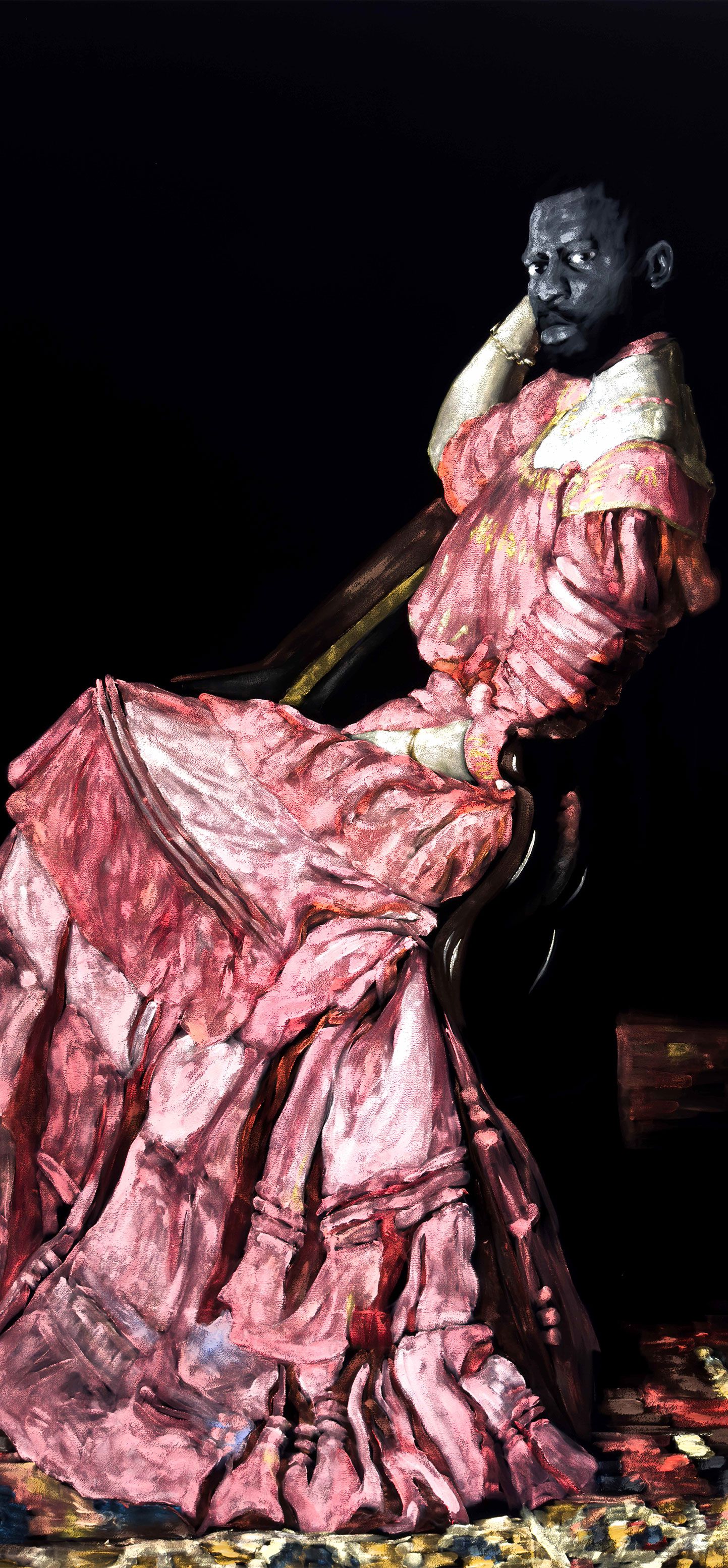
Southern Guild's New York space at 75 Leonard St in Tribeca is hosting Porteurs de feu (Bearers of Fire), the first New York solo exhibition by Roméo Mivekannin. It opened Sept. 9 and closes Oct. 29.
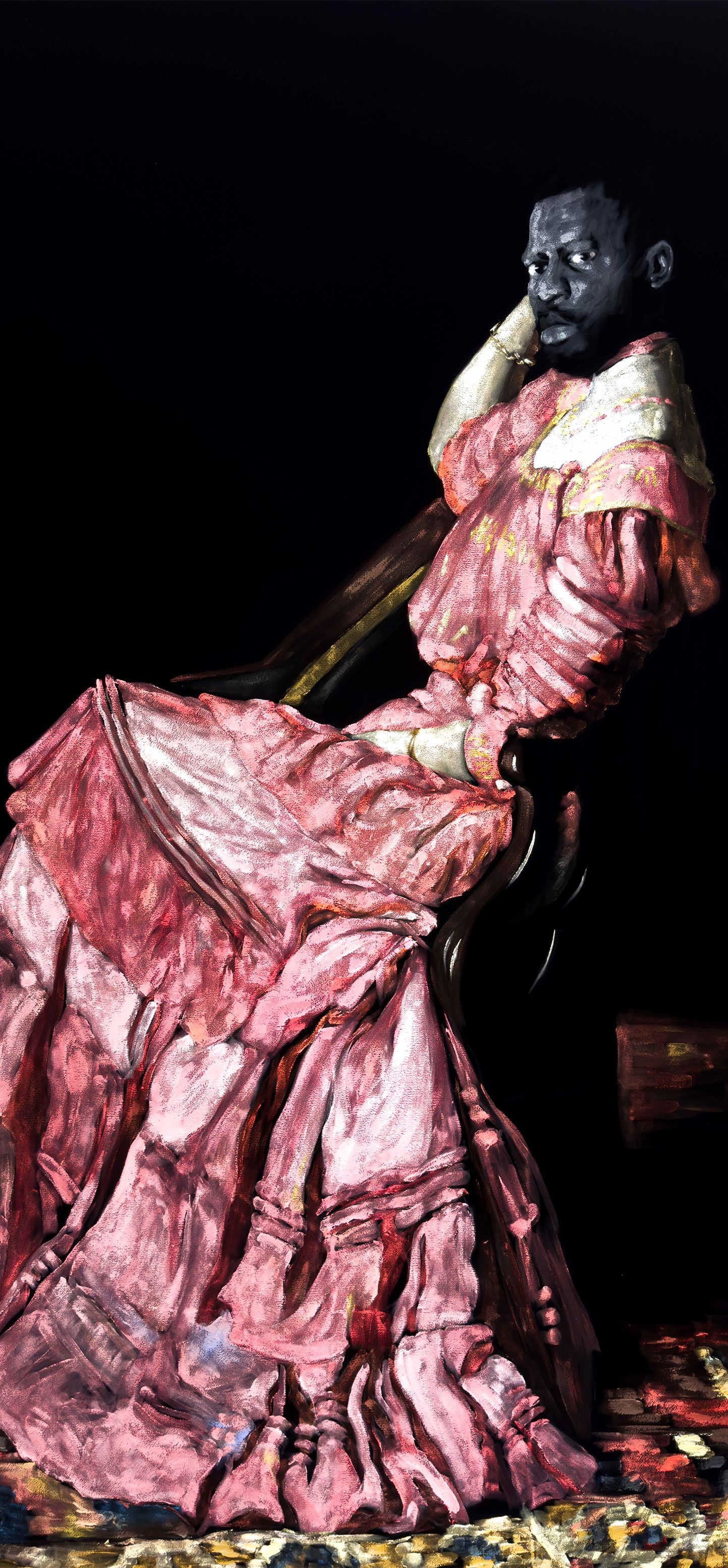
The core of the show is a new group of acrylic paintings on black velvet. Mivekannin takes well-known images and inserts his own likeness. In Winslow Homer's The Gulf Stream, he swaps the storm for an expanse of night sky, and the figure lies at rest, unafraid beneath the stars. Against Emanuel Leutze's Washington Crossing the Delaware, which he calls "the crossing that is glorified," he sets "the other crossing," one without a flag or a hero. Lunch atop a Skyscraper, after Charles C. Ebbets, becomes a picture of the invisible labor that built New York. Other works draw on Basquiat and Warhol, David Hammons, Kerry James Marshall, Nona Faustine, Lynette Yiadom-Boakye and John Singer Sargent, and he also reaches back to Vermeer, Caravaggio and Gérôme. The largest canvas measures 280 by 350 cm.
The velvet is difficult to work with: it absorbs color and light, so bodies seem to hover between presence and obscurity. This links to Mivekannin's wider practice, in which old bedsheets, often from French wedding trousseaux, are steeped in elixir baths used in Vodou rites from the historic Kingdom of Dahomey.
Hanging in dialogue is The Souls of Black Folk, a portrait installation inspired by W.E.B. Du Bois's 1903 book. Its subjects include Maya Angelou, Malcolm X, Billie Holiday, Spike Lee, Lupita Nyong'o, bell hooks and Wole Soyinka, each paired with layered excerpts from Du Bois's text.
The title comes from Saint-John Perse's 1942 poem Exile, which includes the line "We, bearers of fire, we, sowers of cities." For Mivekannin, exile is a condition that compels one to carry: language, memory, music, painting. The exhibition coincides with his first visit to New York, a city that until now existed for him through other artists' work.