Exhibition · Bortolami · Tribeca
Maki Katayama and Hikari Ono: As a moment and as an accumulation at Bortolami
Bortolami in Tribeca opens a two-person show of Maki Katayama and Hikari Ono, organized by Richard Aldrich. Katayama's color-system paintings meet Ono's clay Object for Painting series, both treating painting as a concept. On view Oct 30 to Dec 19, 2026.
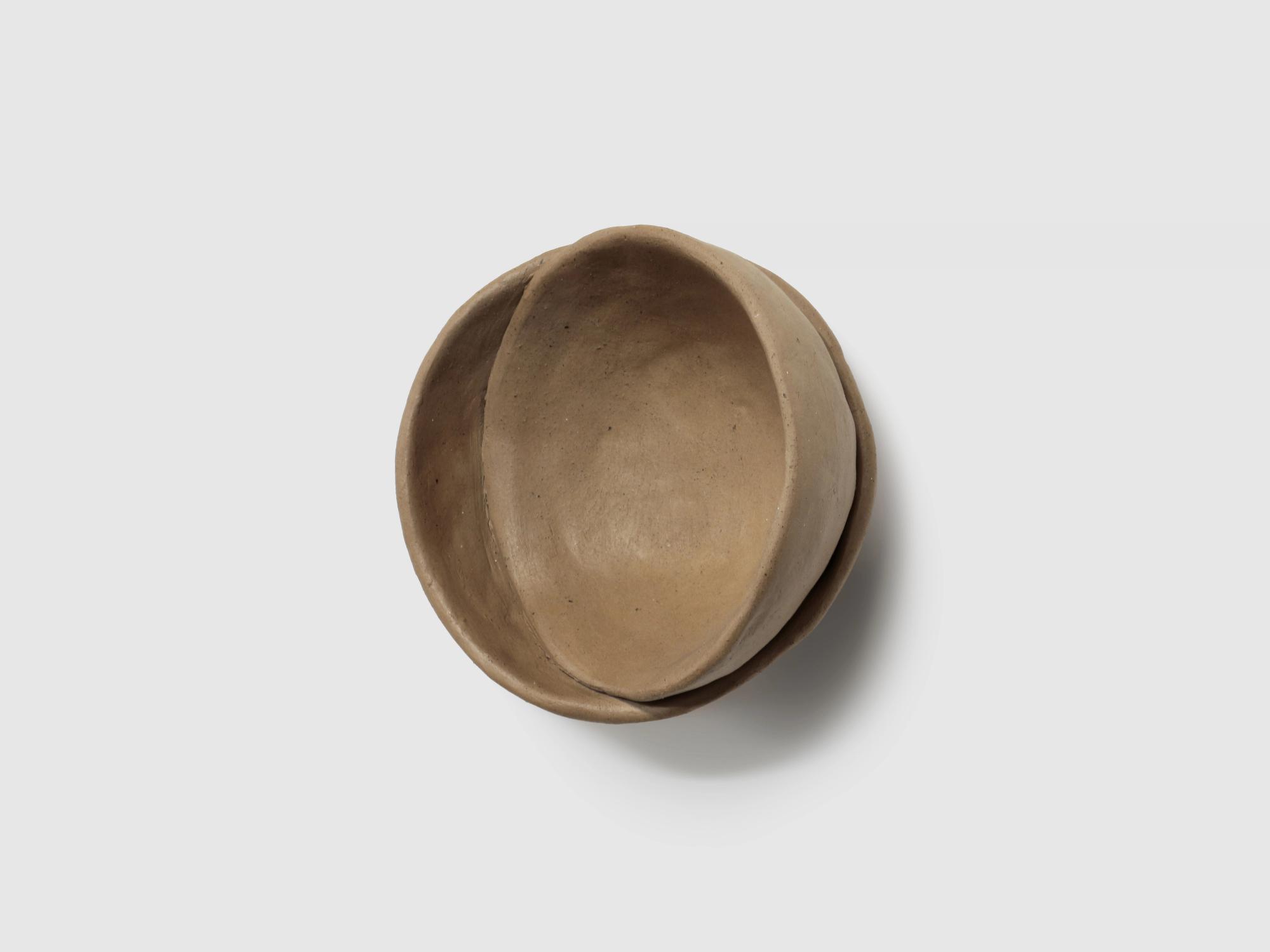
Bortolami's Tribeca gallery at 39 Walker Street opens "As a moment and as an accumulation" on October 30, 2026, a two-person show of Maki Katayama and Hikari Ono in The Upstairs, running through December 19. The painter Richard Aldrich organized it. Both artists are based in Tokyo, both studied oil painting at Tama Art University, and both treat painting as a conceptual framework rather than a set of techniques.
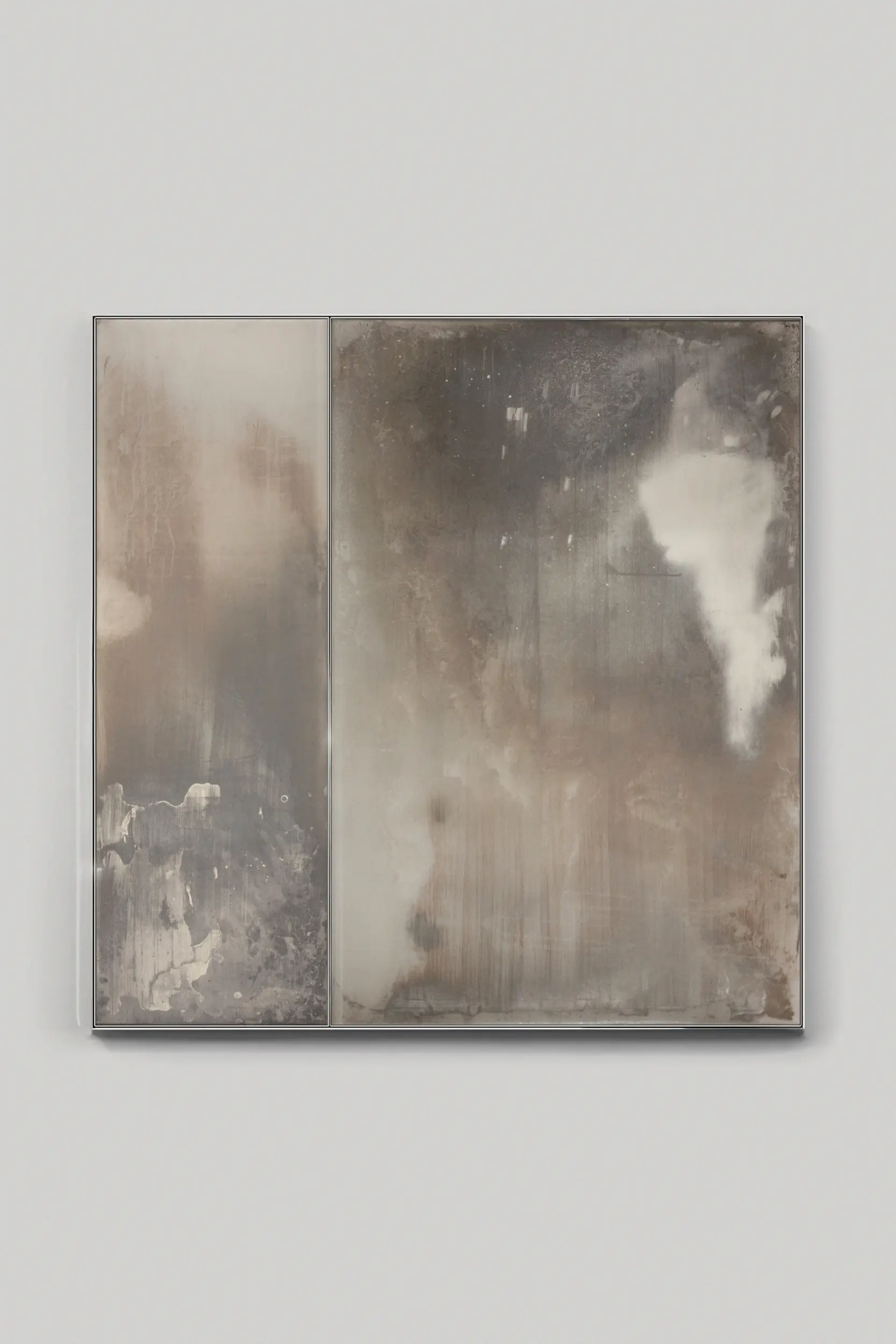
Katayama, born in Tokyo in 1982, builds paintings through systematic study of color, measurement and composition. Her starting point is Sanzo Wada's A Dictionary of Color Combinations, a 1930s book that joined traditional Japanese color sensibilities with Western color theory. She mixes paint by hand to match Wada's colors, applies paired colors to two related canvases, and presses the wet surfaces together. The transfer brings chance into a rule-bound process. She also works from the standardized dimensions of Japanese canvases, so color, proportion and arrangement follow predetermined relationships while each result varies.
Ono, born in Lüneburg, Germany, in 1990, is known for her ongoing series Object for Painting, small clay sculptures conceived as tactile paintings. Raw clay gathered from different regions of Japan serves as both paint and canvas, and its natural color, texture and form act on one another. She slices, grooves, folds and removes material, then lets the pieces air-dry and finishes them with varnish, keeping the raw feel of the clay while treating its surface as a painted one. One work, Object for Painting No. 216 (2026), is unfired clay measuring 12 × 12 × 7.5 cm.
The show links the two through nature and perception. Japanese color names are often tied to place and lived experience, such as moegi-iro, the yellowish green of a sprouting tree, or nando-iro, the grayish blue of a storage room. The exhibition compares this specific naming of the natural world to the writing of Claude Lévi-Strauss on the botanical knowledge and precise vocabularies of Indigenous cultures. Katayama's source book sorts colors by binary pairs: similar or contrasting, transparent or opaque, warm or cool.
The earthbound materials recall Mono-ha, while the rule-based methods echo 1960s Systems Art. Both artists scale their work down to an intimate, individual viewing experience. Ono also showed at David Zwirner in New York in 2026. The gallery is open Tuesday to Saturday, 10 AM to 6 PM, and by appointment.
Dates
Artists
Hours