Exhibition · Whitney Museum of American Art · West Village
Whitney Biennial 2026: Fifty-Six Artists Tune In to the Mood of American Art
The 82nd Whitney Biennial ran from March 8 to October 12, 2026, bringing fifty-six artists, duos and collectives together, including Japan's Mao Ishikawa and Akira Ikezoe, to ask what "American" art means and to explore shared moods and unlikely alliances.
By NBT Editors · 2026-10-16
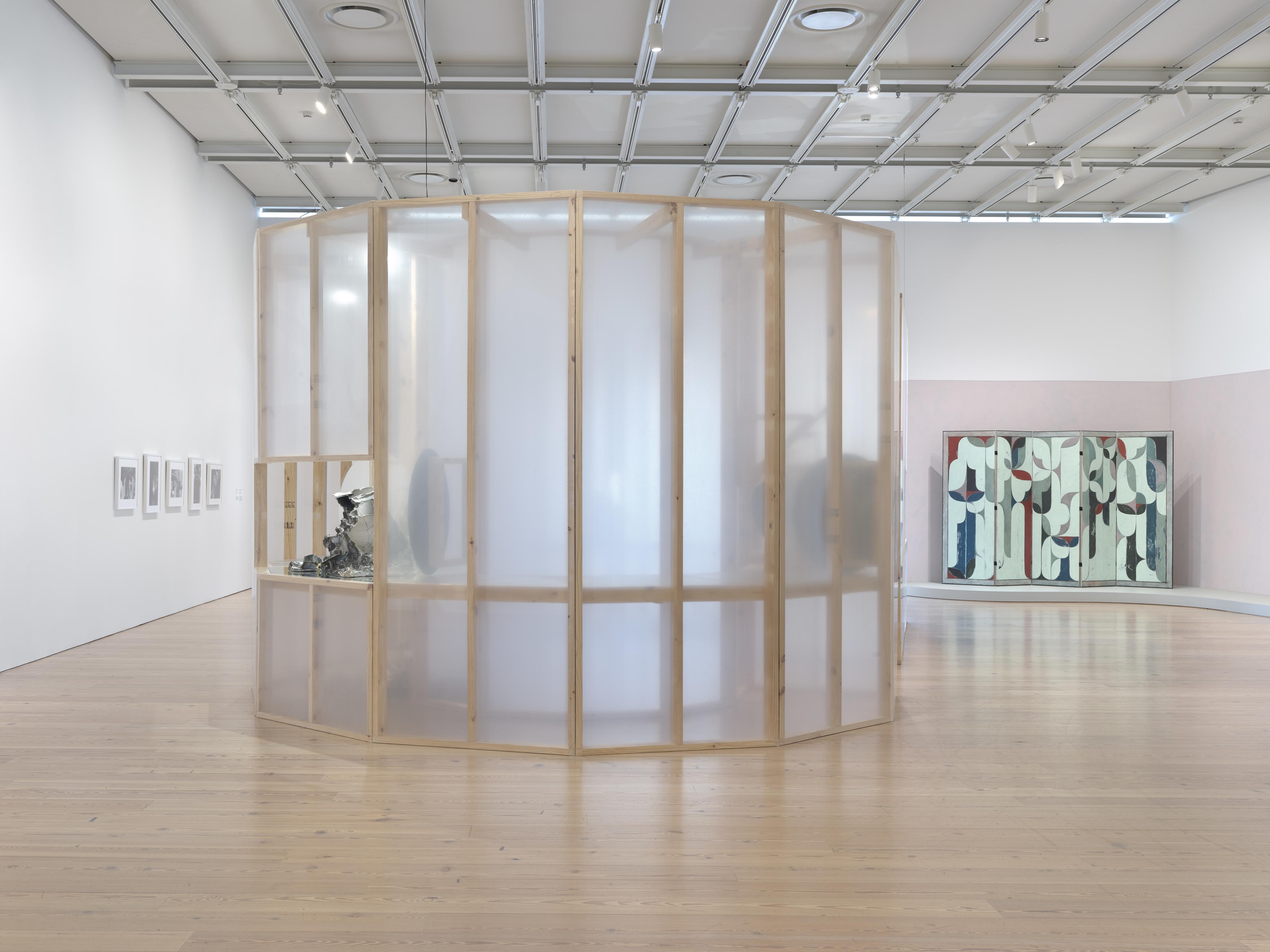
The Whitney Biennial is the longest-running survey of American art, and its 82nd edition opened on March 8, 2026 and closed on October 12. Fifty-six artists, duos and collectives took part, shown at the museum on Gansevoort Street in the West Village.
Rather than offering a verdict on the state of American art, curators Marcela Guerrero and Drew Sawyer built the show around mood: the feelings that saturate contemporary life and tie people together. The question underneath was what it means to call something "American" at all. Alongside artists from across the country, the lineup included people from places shaped by US power, from Afghanistan to Vietnam. Their work touched on interspecies kinship, family ties, geopolitical entanglements, technological affinities, infrastructure, fragile ecologies and shared mythologies, favoring unusual alliances and irreverent associations over fixed positions.
Two Japanese artists stood out for readers here. Mao Ishikawa showed photographs from her Okinawa series Red Flower (Akabanaa), made in 1975–77, together with pictures from Life in Philly (1986). Akira Ikezoe contributed three 2025 works built around energy and animals: Frog Stories Around Nuclear Power Plant, Robot Stories Around Solar Panels and Mole Stories Around Methane Gas. CFGNY, the collective of Daniel Chew, Ten Izu, Kirsten Kilponen and Tin Nguyen, presented Continuous Fractures Generating New Yields (2025), ceramic sculptures set within translucent wooden partitions.
The range of media was wide. Basel Abbas and Ruanne Abou-Rahme showed the multi-screen projection Until we became fire and fire us. Michelle Lopez's Pandemonium used a circular ceiling screen. Pat Oleszko's inflatables included Blowhard (1995) and Footsi (1979). Emilie Louise Gossiaux filled a curved gallery with drawings and a spiral of small figures, and Kimowan Metchewais, Anna Tsouhlarakis, Kamrooz Aram, Aziz Hazara and Andrea Fraser were also on view.
The galleries closed in stages: the fifth floor on August 23, the first floor on September 7 and the sixth floor on October 12. A catalogue pairs each artist's work with a conversation, and a billboard across from the museum entrance extended the show onto the street.
- Status
- Ended
- Dates
- Mar 8 – Oct 12
- Artists
- Mao Ishikawa, Akira Ikezoe, CFGNY, Ash Arder, Emilio Martínez Poppe, David L. Johnson, Ali Eyal, Emilie Louise Gossiaux, Michelle Lopez, Andrea Fraser, Nour Mobarak, Basel Abbas & Ruanne Abou-Rahme, Pat Oleszko, Kimowan Metchewais, Anna Tsouhlarakis, Kamrooz Aram, Aziz Hazara, Samia Halaby, Erin Jane Nelson, Young Joon Kwak, Precious Okoyomon, Sung Tieu, Zach Blas
- Venue
- Whitney Museum of American Art
99 Gansevoort Street, New York, NY
Open in Google Maps